Nov 25, 2025
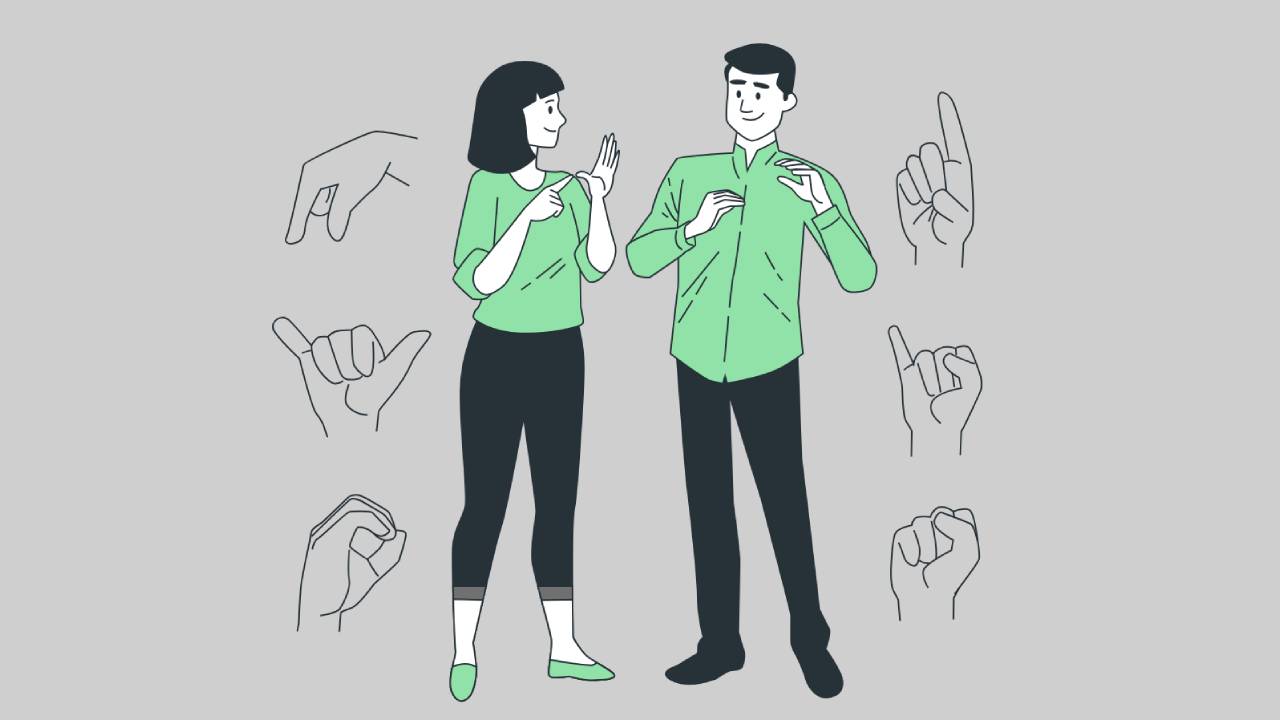
The “Sign Language and Deaf Culture Awareness Training” has been introduced this year as comprehensive program designed to strengthen the principle of equal communication and to increase public awareness of Deaf culture. The initiative is carried out through the collaboration of universities, public institutions, private-sector organizations, and civil society groups.
The main goal of the program is to highlight that sign languages are not only communication tools but also carriers of a rich cultural identity. The training addresses the barriers Deaf individuals face in areas such as social participation, education, employment, and digital accessibility, combining both theoretical content and practical learning experiences.
Key themes of the program include:
Deaf culture and identity: The historical development, cultural practices, and visual communication traditions of Deaf communities.
Sign language structure: Grammar, expression patterns, and the fundamental principles of visual–manual communication.
Societal accessibility: Standards for accessibility in public services, digital platforms, media, and emergency communication.
Inclusive communication methods: Respectful and effective ways to interact with Deaf individuals in workplaces, educational settings, and everyday life.
Technology and innovation: AI-based sign language translation tools, visual learning applications, and accessible interface design.
The training not only teaches fundamental sign language expressions but also provides participants with a meaningful perspective on Deaf culture, its values, and the depth of visual communication. Experts emphasize that the program will help build a more empathetic, informed, and inclusive bridge between Deaf and hearing communities.
According to organizers, the awareness program aims to reach wider audiences in the coming period, become a regular part of schools and workplaces, and expand through digital platforms offering free access.
This initiative is viewed as an important step toward strengthening societal inclusion and increasing the visibility of sign languages in everyday life.
Note: These headline and text examples have been temporarily generated by artificial intelligence. Please edit as appropriate in your CMS content editor. :)
Select at least one video source: YouTube, private server, or cloud storage. You can add a sign language translation to explain the content. Accessibility is important; therefore, recording your own sign language video is recommended.
The gallery currently uses a soft Lightbox mode. Navigation buttons will be added later; for now, the focus is on visual aesthetics.